

Discovery of a Lost Human Lineage in the Sahara
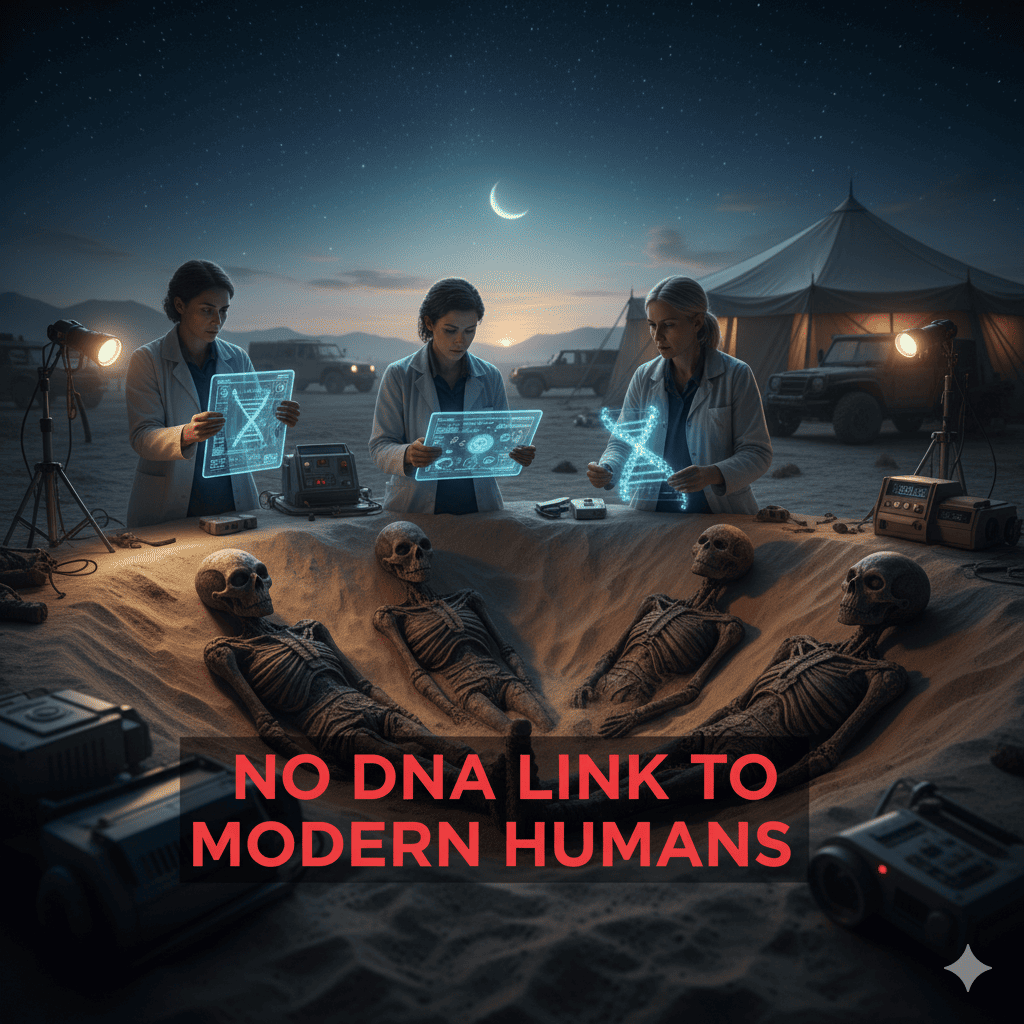
In a groundbreaking study, scientists have analyzed the ancient mummies DNA of two women found in the Takarkori rock shelter in what is now southwestern Libya. These naturally mummified remains, dating back approximately 7,000 years, belong to a time when the Sahara was a lush, green savanna teeming with life—a stark contrast to the arid desert of today[1][2][3]. However, what makes this discovery truly remarkable is that the genetic makeup of these individuals shows no connection to modern sub-Saharan Africans or even to other ancient North African groups[1][2][3].
The research, published in a recent issue of Nature, marks the first successful extraction and sequencing of ancient genomes from the Sahara[3]. Despite the region’s reputation for harsh preservation conditions, the team managed to recover enough DNA to paint a clear picture of these women’s ancestry. Their closest genetic relatives are not people living in the region today, but rather ancient hunter-gatherers from Morocco and even a 45,000-year-old individual from Central Europe[4]. This suggests a long period of genetic isolation, with the Takarkori population splitting from the ancestors of sub-Saharan Africans around 50,000 years ago and remaining largely separate for tens of thousands of years[1][6].
Implications for Human Migration and African Prehistory
The findings challenge previous assumptions about human migration in Africa during the so-called Green Sahara period (15,000–5,000 years ago). Many scientists believed that the Sahara, when it was green and hospitable, served as a migration corridor between North and sub-Saharan Africa, facilitating the mixing of populations[1][3]. However, the ancient mummies DNA evidence shows that the Takarkori people were genetically isolated, with no detectable sub-Saharan ancestry[1][2][6]. This indicates that, despite favorable environmental conditions, there was little to no gene flow between these ancient Saharans and populations to the south.
“It’s incredible,” said one of the researchers. “At the time when they were alive, these people were almost like living fossils—something that shouldn’t be there. If you’d told me these genomes were 40,000 years old, I would have believed it.”[1] The study not only reveals a previously unknown branch of humanity but also reshapes our understanding of how ancient populations interacted—or didn’t—across the African continent.
This discovery underscores the importance of ancient DNA in uncovering lost chapters of human history, especially in regions where preservation is typically poor. The Takarkori mummies stand as a testament to the complexity and diversity of early human societies in Africa, offering new clues about our shared past and the forces that shaped the genetic landscape of the continent.