

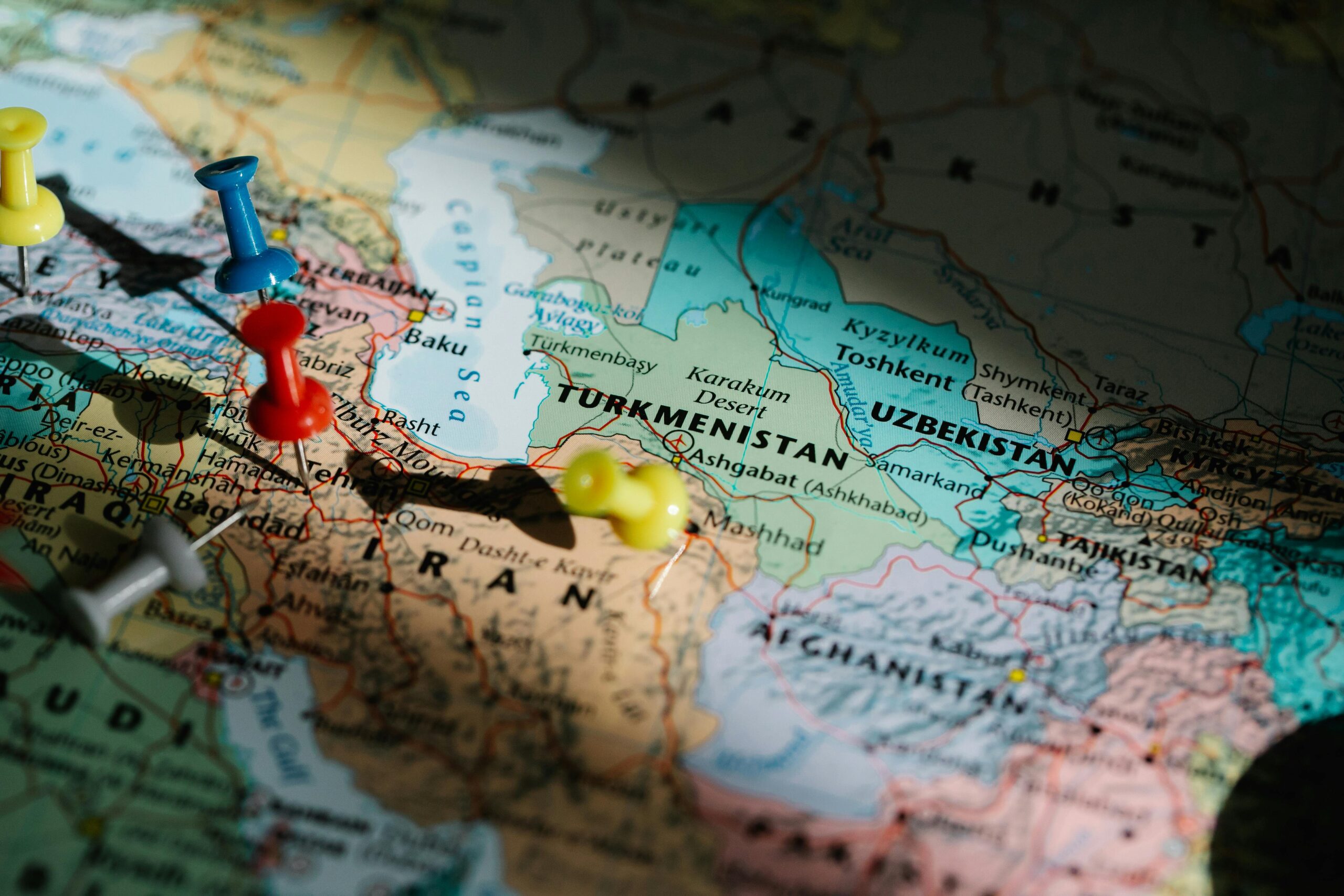
The United States has escalated its pressure campaign against Iran by designating four Iran-backed militias operating in Iraq as Foreign Terrorist Organizations (FTOs), the State Department announced on September 17, 2025. This significant diplomatic move targets key Iranian proxy forces that have conducted hundreds of attacks against US personnel and facilities in the region.
The newly designated groups include Harakat Hezbollah al Nujaba, Kataib Sayyid al Shuhada, Harakat Ansar Allah al Awfiya, and Kataib al Imam Ali. These militias were previously classified as Specially Designated Global Terrorists (SDGT) but the FTO designation unlocks additional legal tools for the US government to financially isolate and target these Iranian proxy forces.
Strategic Escalation Against Iranian Influence
This action represents a key component of the Trump administration’s maximum pressure campaign against Iran, as outlined in National Security Presidential Memorandum-2 (NSPM2) issued in February 2025. Secretary of State Marco Rubio emphasized that the United States remains committed to countering Iran as “the world’s leading state sponsor of terrorism” and disrupting Iran-aligned militia groups from conducting attacks against US personnel and facilities.
The designated militias are all members of the Popular Mobilization Forces (PMF), an official Iraqi security organization that has become a significant point of contention between Baghdad and Washington. The US government views the PMF as a vehicle for Iran’s malign influence in Iraq, while the Iraqi government officially supports the organization as part of its security apparatus.
All four groups are also members of the Islamic Resistance in Iraq (IRI), a coalition that has carried out hundreds of attacks against US and Israeli targets since Hamas’s October 7, 2023 terror attack. The IRI was responsible for the January 2024 drone attack in Jordan that killed three US service members, marking a deadly escalation in the shadow war between Iranian proxies and American forces.
Enhanced Legal Framework for Counterterrorism
The FTO designation carries significant legal weight under US federal law, making it a crime for any person in the United States or subject to US jurisdiction to knowingly provide “material support or resources” to these organizations. This includes financial services, training, weapons, or any other form of assistance. The designation also allows the US Treasury Department to freeze assets and prohibit transactions with these groups.
Iranian expert Behnam Ben Taleblu from the Foundation for Defense of Democracies noted that the Trump administration is “upping the ante” by continuing its campaign of designations against Iranian agents of influence and terror in Iraq. He emphasized that the first Trump administration proved it could “name, shame, and punish Iran-backed militias in Iraq without the country devolving into civil war.”
The timing of these designations coincides with ongoing US efforts to pressure the Iraqi government to limit Iranian influence and disarm Iran-backed militias through the threat of sanctions. This diplomatic pressure reflects broader American concerns about Iran’s ability to project power across the Middle East through proxy forces.
These developments underscore the complex challenge facing US policymakers as they navigate relationships with both Iraq as a strategic partner and the need to counter Iranian influence in the region. The designations signal that the Trump administration is prepared to take increasingly aggressive steps to disrupt Iran’s regional network of proxy forces, even as it maintains diplomatic relations with Iraq.