

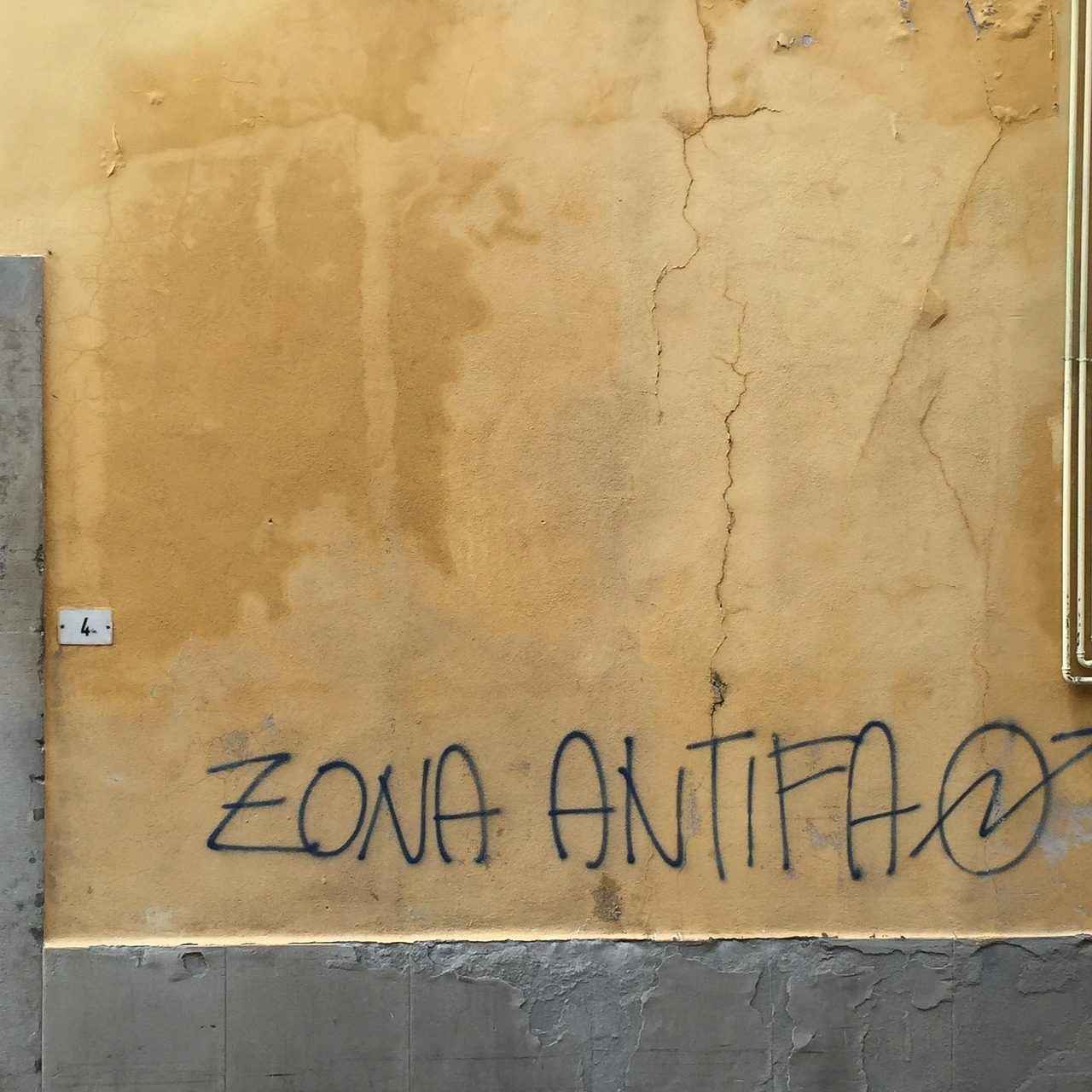
President Donald Trump made a landmark decision on September 22, 2025, when his administration officially announced the Antifa terrorist designation, formally classifying the radical left network as a domestic terrorist organization. This unprecedented move marks a significant escalation in the federal government’s approach to addressing political violence and represents one of the most consequential domestic security policy decisions of Trump’s presidency.
The White House issued a comprehensive statement detailing the rationale behind this historic designation, citing what they describe as Antifa’s “long history of terrorizing our communities” through coordinated attacks on law enforcement, government facilities, and conservative political events. According to the official announcement, this decision comes in response to mounting evidence of systematic violence orchestrated by Antifa cells across the United States.
Pattern of Escalating Violence Prompts Federal Action
The administration’s decision was bolstered by documented incidents spanning several years, demonstrating what officials characterize as an organized campaign of domestic terrorism. In July 2025, members of an Antifa cell ambushed officers at an Immigration and Customs Enforcement facility in Alvarado, Texas, where assailants defaced vehicles with anti-ICE graffiti before luring officers outside and opening fire, critically wounding one officer with a shot to the neck.
Similarly, federal agents faced vicious assaults at an ICE facility in Portland, Oregon, where deranged rioters kicked, punched, and targeted officers with incendiary devices after weeks of coordinated harassment by the local Antifa terror cell. The pattern of violence extends beyond recent incidents, with the February 2024 bombing outside Alabama Attorney General Steve Marshall’s office, where a transgender Antifa terrorist detonated an explosive device and left behind numerous stickers bearing Antifa slogans and anarchist symbols.
Legal and Security Implications of the Designation
The formal terrorist designation carries significant legal weight, enabling federal law enforcement agencies to utilize enhanced investigative powers and resources typically reserved for international terrorist threats. This includes expanded surveillance capabilities, asset freezing powers, and the ability to prosecute supporters under federal terrorism statutes. The designation also allows for coordination between multiple federal agencies, including the FBI’s Joint Terrorism Task Forces, in tracking and disrupting Antifa networks nationwide.
White House Press Secretary Karoline Leavitt emphasized that this designation reflects the administration’s commitment to confronting what they identify as the primary source of political violence in America today. The decision aligns with the president’s broader law and order agenda, positioning the federal government as taking decisive action against radical left extremism that has allegedly been overlooked or minimized by previous administrations.
The timing of this announcement is particularly significant, coming amid heightened political tensions and concerns about domestic extremism from various ideological backgrounds. Critics argue that the designation represents an overreach of federal power and could potentially chill legitimate protest activities, while supporters maintain it provides necessary tools to combat organized political violence that has terrorized communities across America for years.