

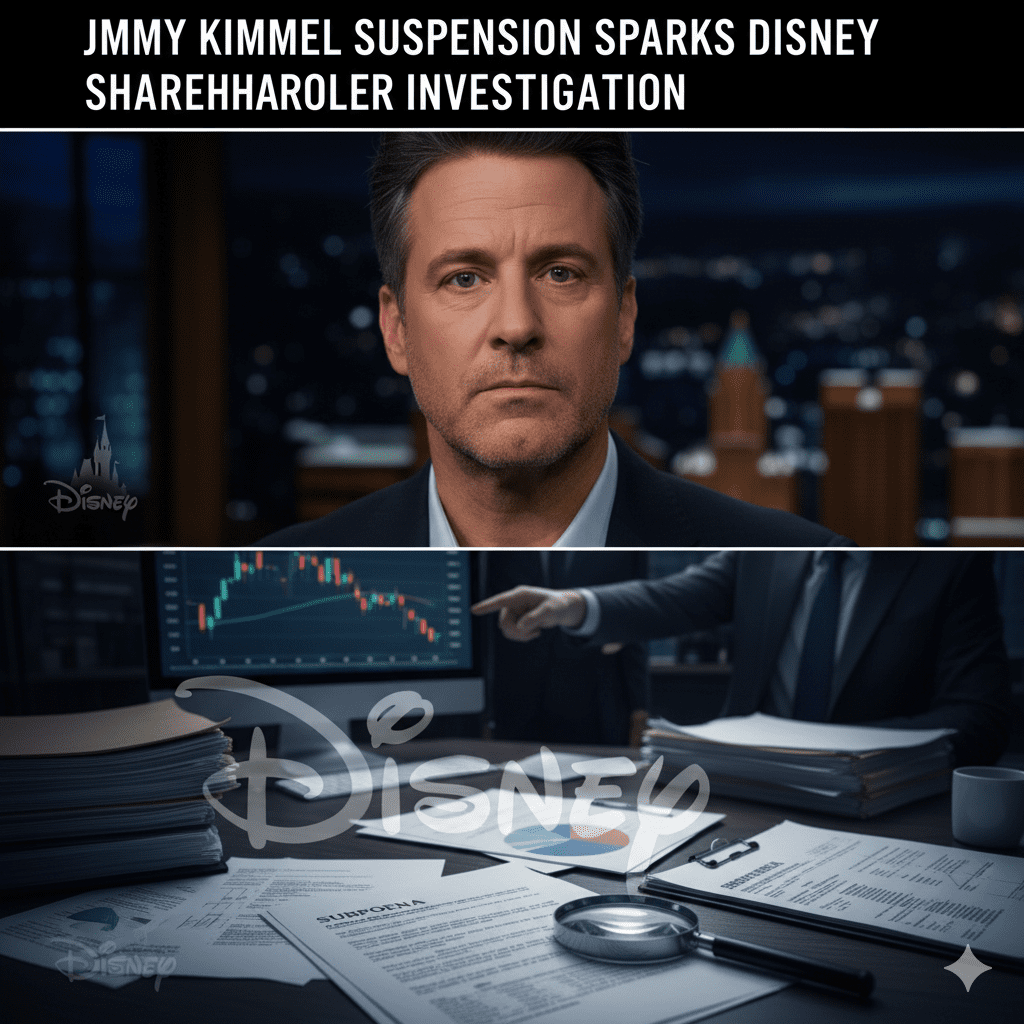
The Jimmy Kimmel suspension controversy has escalated into a full-blown corporate governance crisis for Disney, with shareholders now demanding transparency about the company’s decision-making process. The American Federation of Teachers union and Reporters Without Borders have formally requested Disney release internal documents related to the late-night host’s temporary suspension from “Jimmy Kimmel Live!”
Disney reinstated Kimmel’s show on Tuesday, September 24, 2025, following intense public pressure and nationwide protests. The suspension stemmed from comments Kimmel made about the shooter who killed conservative activist Charlie Kirk, which Disney later described as “ill-timed and thus insensitive.”
FCC Pressure and Government Intervention Concerns
The controversy began when Federal Communications Commission Chairman Brendan Carr called for Disney to take action against Kimmel during a podcast interview. Carr suggested there could be consequences for TV stations carrying the show, prompting immediate concerns about government censorship of entertainment content.
Prior to Disney’s suspension announcement, major television station groups Nexstar Media Group and Sinclair Broadcast Group preemptively removed the show from their lineups and stated they would not bring it back. This coordinated response raised questions about whether the entertainment industry was bowing to political pressure.
“Disney shareholders deserve the truth about exactly what went down inside the company after Brendan Carr’s threat to punish ABC unless action was taken against Jimmy Kimmel,” said American Federation of Teachers President Randi Weingarten in a statement. The union, alongside press freedom advocates, is questioning whether Disney executives breached their fiduciary duties by prioritizing political considerations over shareholder interests.
Corporate Governance and Free Speech Implications
The shareholder letter, dated Wednesday, September 25, 2025, demands Disney provide meeting minutes and written materials related to both the suspension and reinstatement decisions. The document alleges there is “credible basis to suspect that the Board and executives may have breached their fiduciary duties of loyalty, care, and good faith.”
More than 400 celebrities signed an open letter condemning what they viewed as government censorship, while protesters demonstrated outside Disney’s Burbank headquarters and the El Capitan Theatre in Hollywood. Some consumers called for Disney+ subscription cancellations in response to the company’s initial decision.
The entertainment industry is watching this case closely as it sets precedent for how media companies respond to political pressure. Disney’s initial statement that the suspension was meant to “avoid further inflaming a tense situation at an emotional moment for our country” has been criticized as insufficient justification for limiting free speech.
Kimmel’s Return and Ratings Impact
Following his reinstatement, Kimmel’s return episode on Tuesday achieved the highest viewership numbers in months, demonstrating strong public support for the comedian. In his first Instagram post since the controversy began, Kimmel shared a photo with late television producer Norman Lear, captioning it “Missing this guy today.”
The choice to reference Lear, who established the progressive organization People for the American Way to counter “divisive language and authoritarian agenda,” was seen as a subtle commentary on current political pressures facing the entertainment industry. Lear had previously criticized Donald Trump’s understanding of First Amendment protections.
Industry experts suggest this controversy could have long-term implications for late-night television and political commentary in entertainment programming. The coordinated response from broadcast groups and the swift shareholder action indicate this case may reshape how entertainment companies navigate political pressure in the future.
Disney has not responded to requests for comment regarding the shareholder demands. The company’s handling of this situation will likely influence how other entertainment conglomerates approach similar situations involving political commentary and government pressure.