

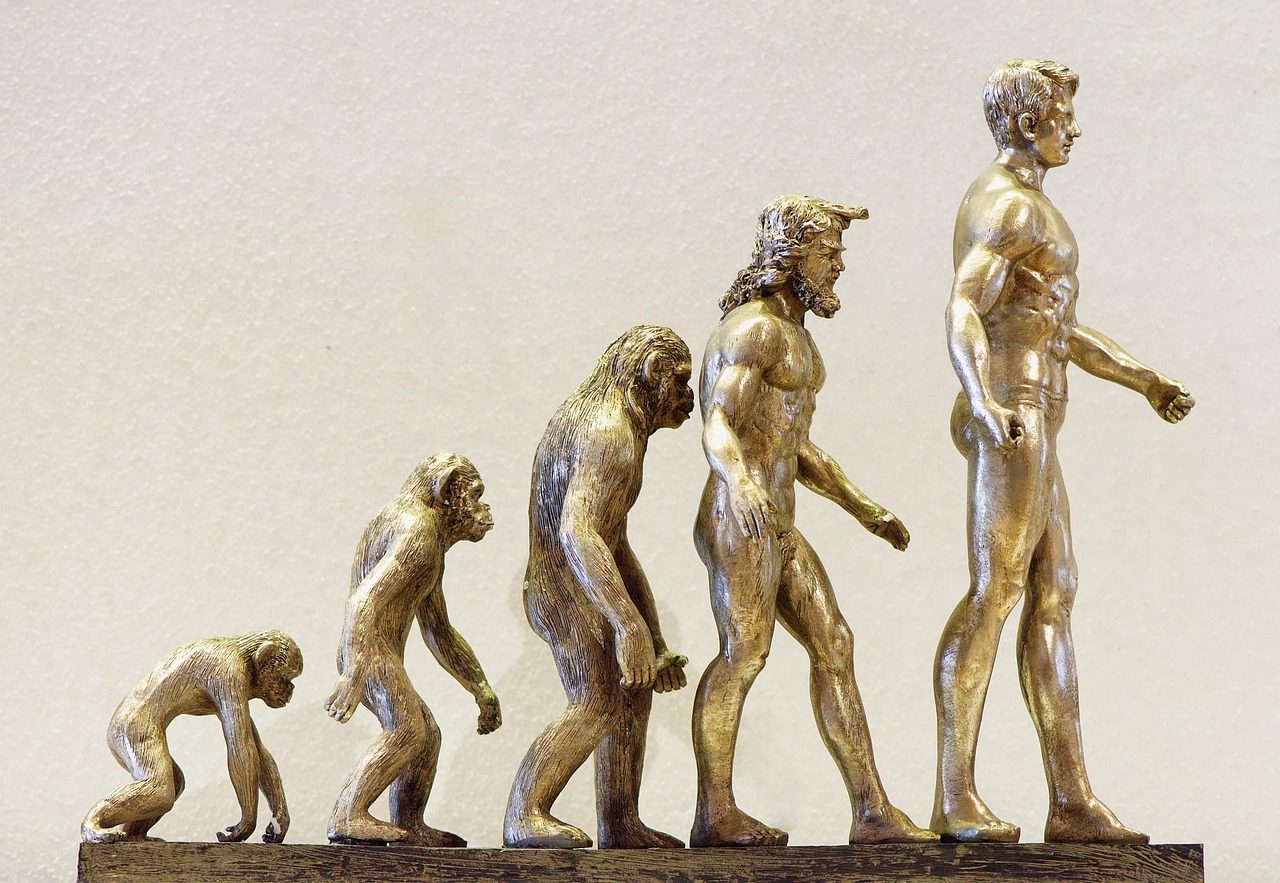
Scientists have digitally reconstructed a million-year-old skull found in China that could dramatically reshape our understanding of human evolution. Known as Yunxian 2, this fossil was initially classified as Homo erectus but new analysis suggests it belongs to Homo longi, a group closer to Denisovans and potentially linked to the origin of modern humans.
Discovery and Reconstruction
The skull, discovered in 1990 in China’s Hubei province, was badly deformed and crushed. Applying advanced CT imaging and sophisticated digital reconstruction techniques, researchers recreated the skull’s original form, revealing features inconsistent with Homo erectus. Instead, the skull’s braincase size, jaw structure, and teeth align it more closely with Homo longi, sometimes called “Dragon Man.” This species is believed to be a close relative of Denisovans, who lived alongside early Homo sapiens.
Implications for Human Evolution
This finding suggests the divergence between modern humans, Neanderthals, and Denisovans occurred about 1 million years ago, nearly doubling the previously accepted timeline. It challenges the long-standing “Out of Africa” theory by implying that Homo sapiens’ origin may have been in Western Asia rather than Africa. Professor Chris Stringer of the Natural History Museum, London, remarked that this discovery “more or less doubles the time of origin of Homo sapiens” and highlights a far more complex evolutionary history.
Independent experts emphasize the importance of this digital reconstruction for resolving longstanding debates in paleoanthropology. Further fossil and genetic evidence will be essential to confirm these groundbreaking conclusions.